

Afrobeats Has a Business Problem
Afrobeats went global before it figured out how to get paid at home.

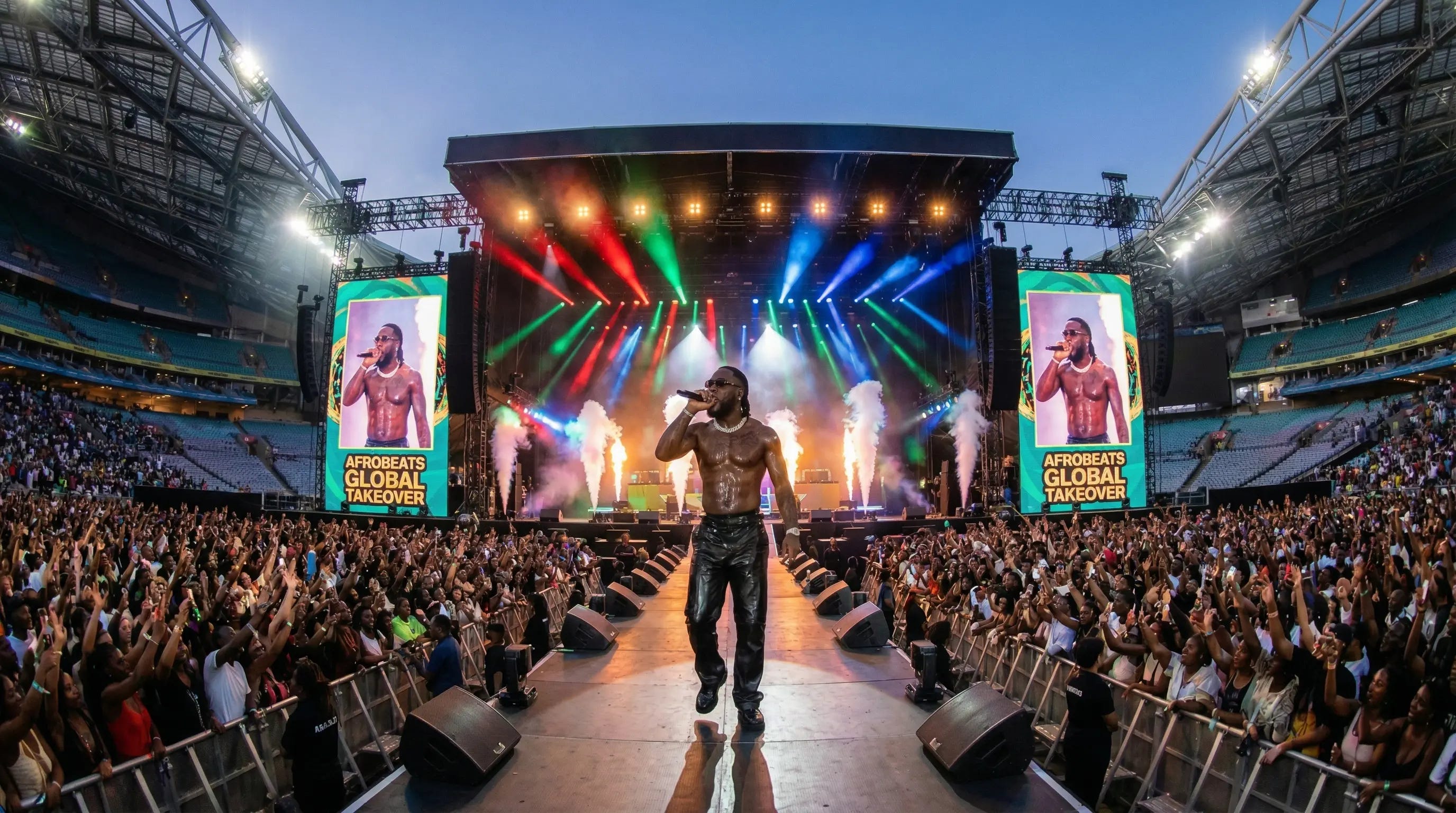
Over 30 billion streams. Global tours. Festival dominance. In 2025 alone, Nigerian pop driven by artists like Wizkid, Davido and Burna Boy generated tens of millions of dollars on Spotify. The Grammys added an African Music category. Streaming platforms launched dedicated Afrobeats charts.

On the surface, the mission is complete. But eight years after its global breakout, the conversation in Nigeria has shifted to what comes next?
Afrobeats is no longer built for the African market. Most African listeners simply can’t afford to sustain the industry. Weak currencies and low streaming payouts mean local consumption generates very little revenue. As a result, artists are pushed toward more commercially viable markets abroad.
Some even limit access in African regions to earn higher CPMs elsewhere. Now add the cost of marketing to a market that doesn’t convert, and the math breaks completely.
Even successful campaigns struggle to make sense financially. At that point, it becomes clear: the current ecosystem isn’t just inefficient. It’s an unrealistic business model.

Triumph “Tyrone” Grandeur
Senior A&R, Afro-Caribbean, ONErpm
Some say Afrobeats is declining. They are wrong. Afrobeats is not dying, it is maturing. and that maturity is exposing a deeper truth. Afrobeats went global before it figured out how to get paid at home.
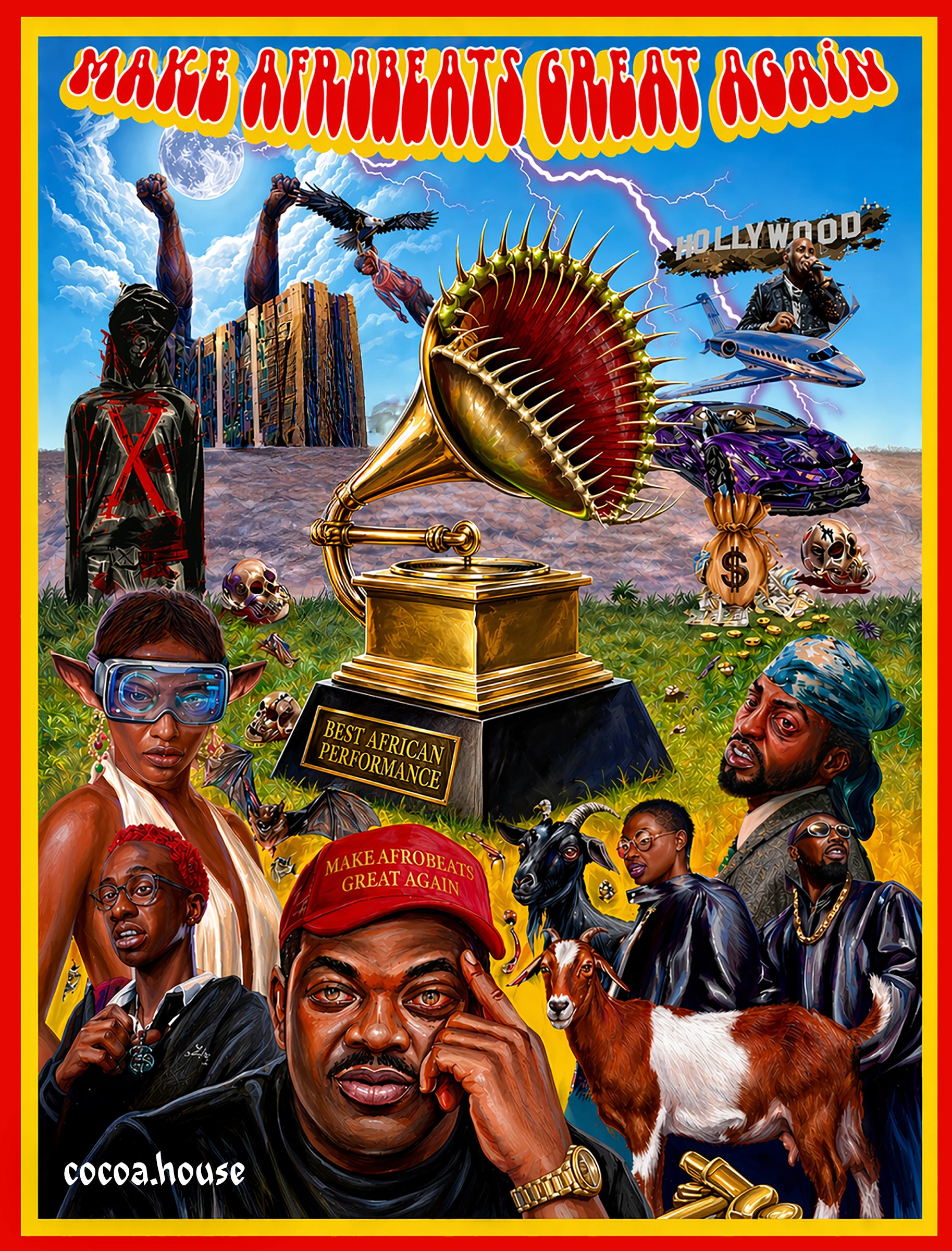
Streams Are Applause, Not Income
For over a decade, the Nigerian music business chased visibility. Charts, virality, and international co-signs became the scoreboard.
That strategy worked. But it also built a system optimized for spikes, not stability.
Songs got shorter, safer, and more algorithm-friendly. Marketing costs ballooned just to sustain momentum. Streams became the goal.
But streams are applause, not income.
The economics are clear. In the US, one million streams can generate thousands of dollars. In Nigeria, that same million streams often brings in less than five hundred thousand naira, frequently below promotion costs.
Compare that to a loyal base. One thousand fans spending one thousand naira each equals one million naira.
Fewer people. More value.
The Streaming Illusion
For years, the industry has assumed that global platforms like Spotify, Apple Music, and YouTube would eventually unlock meaningful value locally. That expectation is flawed. These companies are distribution platforms, not infrastructure builders for markets like Nigeria. Their mission is global, to make streaming the dominant form of music consumption everywhere. While they expand access and visibility, they do not address the structural gaps that limit monetization in low-income markets.
Waiting for DSPs and foreign partners to build a sustainable Nigerian music economy is like waiting for America to build a working refinery in Nigeria.
From Fans to Markets
The future of Afrobeats is not bigger audiences. It lies in deeper ones.
Streaming has made one thing clear. You can have millions of listeners and still struggle to make money, because fanbases do not pay. Communities do. A fan listens. A community participates, shows up, and spends.
Johnny Drille proved that intimacy scales. With Johnny’s Room, he reduced his audience size but increased connection and willingness to pay.
BlaqBonez approached it at scale. His Breaking The Yoke Of Love campaign turned an album into a shared experience people felt part of.
Audiences are passive. Communities are economic engines. Music is no longer the full product. It is the entry point.
The real business sits around it: direct relationships with core fans, experiences that cannot be streamed or pirated, and identity layers like fashion, content, and lifestyle.
Owning distribution means direct access. It means moving your most engaged fans into spaces where attention can be converted into transactions.
Because the most valuable fan is not just the one who streams your song repeatedly. It is the one who shows up and pays.
Build the Market at Home
Afrobeats’ touring gap reflects the same issue. It is easier to see a Nigerian superstar perform in London than across most Nigerian cities. That is not a demand problem. It is a distribution failure. The solution is not bigger Lagos shows. It is broader reach.
Llona’s nationwide tour offers a blueprint: multiple cities, localized experiences, and community-driven shows that build audiences in real time.
Odumodublvck has shown a similar pattern. His run of high-energy shows across cities and campuses has translated into a deeply engaged fanbase, proving that consistent physical presence builds cultural weight in ways streaming cannot.
This is not new. Early Afrobeats stars like Mayorkun built their careers on campus tours and regional runs before their global breakout.
Markets are built through presence and repetition. Universities, regional circuits, and grassroots venues are the foundation.

Afrobeats does not have a creativity problem. It has a business problem.
The talent is world class. The global audience already exists. What is missing is a system that converts attention into income, locally and consistently.
If artists continue to chase streams without building structures to monetize them, they will accumulate numbers, not wealth. Much of the value they generate is captured elsewhere by streaming platforms, international promoters, and intermediaries who control access to audiences and distribution.
Global success has created real revenue, particularly through diaspora consumption and international touring. But that value is largely externalized, earned outside the local market and dependent on systems Nigerian artists do not control.
The next phase of Afrobeats will be led by artists who understand their audience as a market, their brand as a business, and their culture as an asset.
Afrobeats has already won attention.
Now it must learn how to own its value.
“Visibility without community is just noise.”
Tshwanelo Maredi
Director, Artist Development
LVRN

What Artists Can Start Doing Now (If you have 50,000+ real followers or more)
At this level, you don’t have an audience problem. You have a conversion problem.
Start Free, Build a Paying Core
Start by identifying your most engaged fans and moving them into owned spaces. WhatsApp groups, Telegram, email lists. This costs nothing but time.
Use simple tools to make this scalable. WhatsApp Business for broadcast lists and quick replies. Telegram for larger, structured communities. Email platforms like Mailchimp or ConvertKit to capture and nurture your core audience over time.
Focus on consistency. Conversations, behind the scenes content, direct replies. Turn passive listeners into people who feel seen. Use automation where possible. Scheduled messages, welcome sequences and pinned content can maintain engagement even when you are not online.
Once that core is active, introduce paid layers. Early access, exclusive drops, private events. Tools like Gumroad or Selar can help you sell access, content or merchandise directly to fans.
You do not need everyone. You need your top 1 percent.
Monetize Intimacy
Start with controlled, intimate access. Small rooms, limited tickets, direct interaction.
Johnny Drille showed that intimacy creates willingness to pay.
As demand grows, expand formats. Larger shows, tiered access, premium experiences. But keep a layer of closeness that fans cannot get anywhere else.
Scale Experiences
Begin with low cost experiences. Listening sessions, campus pop ups, small fan meetups. What matters is participation, not production.
Once you see what resonates, scale it.
BlaqBonez’s crusade worked because the idea came first. The scale came after. At your level, every release should evolve into something people can attend, not just stream.
Build Local Demand
Start with what is accessible. Campuses, NYSC Camps, local venues, nearby cities. Consistency matters more than size.
Llona and Odumodublvck show that repeated presence builds real demand.
Once traction is clear, expand regionally and then internationally. Growth should follow proof, not hype.
Use Brand Partnerships to Scale What Already Works
Do not start with brands. Start with proof.
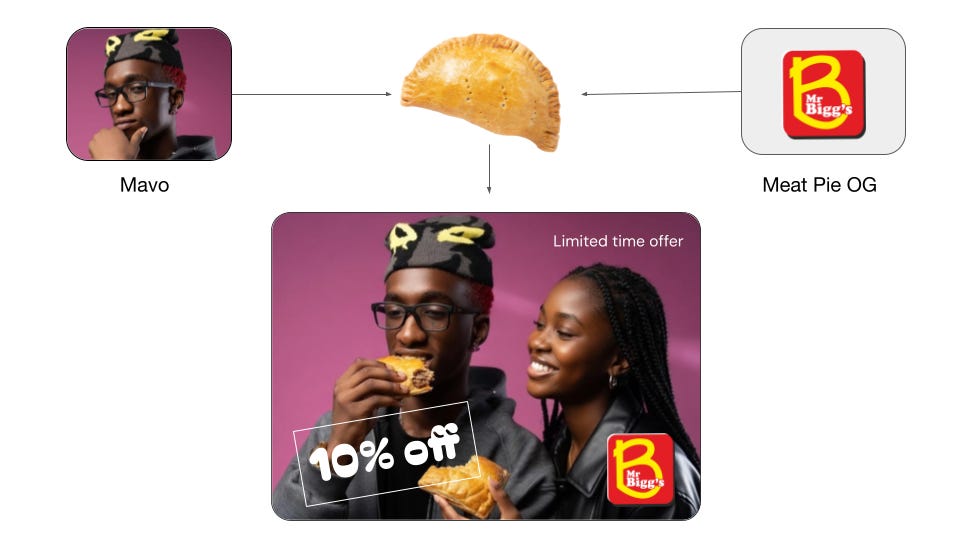
Once you have working formats, use partnerships to amplify them.
Turn experiences into larger campaigns. Bundle tickets, merchandise or access into brand activations.
Use clearance and giveaway mechanics to convert attention. Old merchandise or unused assets can become incentives tied to sponsor campaigns, driving both fan action and brand results.
At this stage, brands are not paying for posts. They are investing in your system.

TL;DR
Streaming platforms will give you reach, but not a business.
Build outside them. Direct access, live experiences, local demand. That is where control comes from. That is where revenue lives.
Afrobeats already has the audience. What it needs now is structure.
Because the future will not belong to the most streamed artist.
It will belong to the one who converts attention into a market.